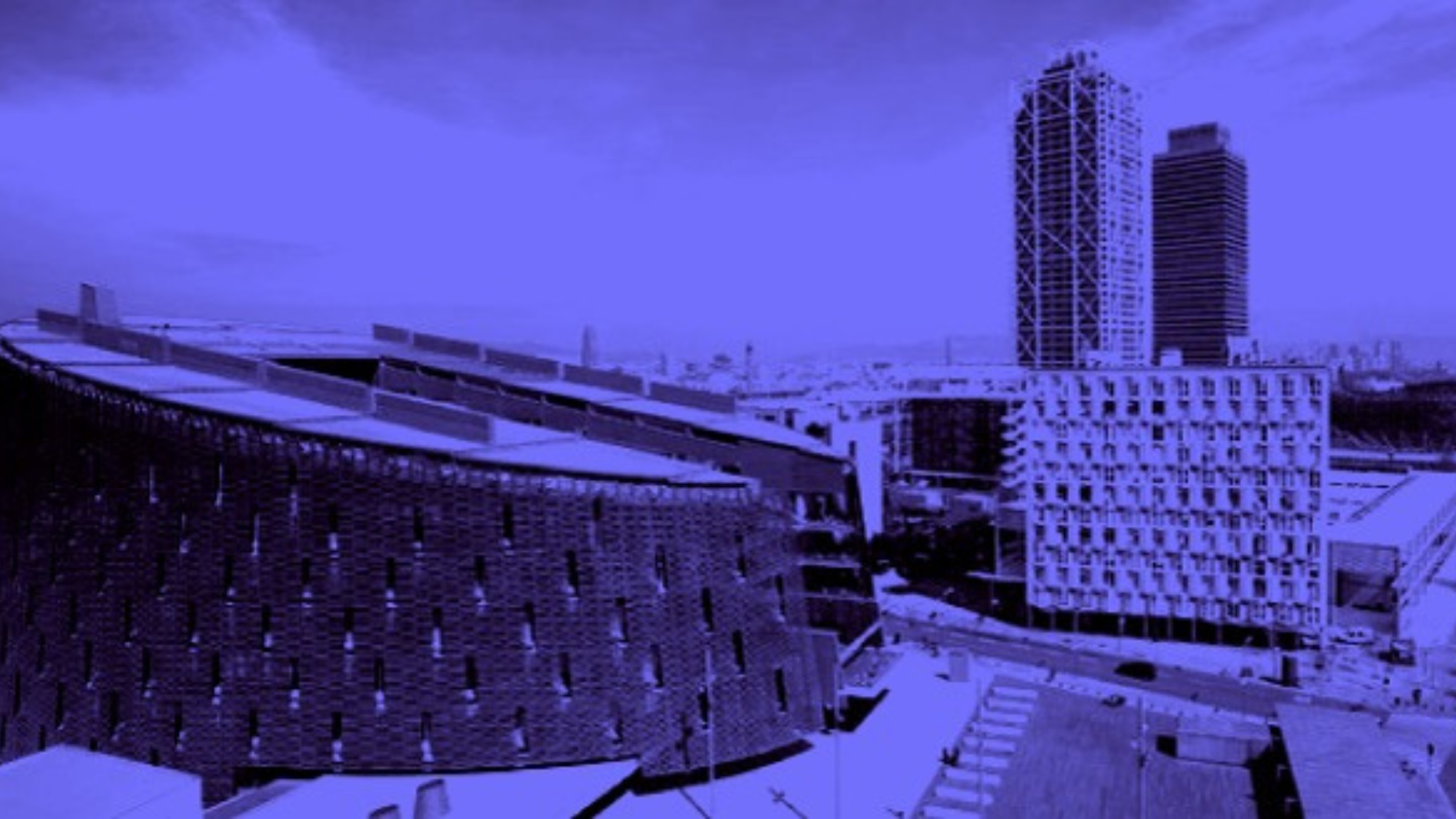
The Barcelona Biomedical Research Park (PRBB) has published its 2025 Results Report, now available on the PRBB website. The report reviews a year marked by scientific exchange, community wellbeing, infrastructure renewal and the future PRBB Ciutadella building.
A growing community and a new horizon for the PRBB
2025 was a year of consolidation and future projection for the PRBB. A community of 1.679 residents from 65 countries benefited from a shared environment that hosted training programmes, scientific seminars, research services and infrastructure management. When external companies are included, this figure rises to 1.826 people.
This human diversity was accompanied by a positive gender trend. Women made up around 60% of the community and, for the first time, 51% of principal investigators.
The most strategic milestone of the year was the commission to build and manage the new PRBB Ciutadella building, a 24.000 m² facility within the Ciutadella of Knowledge. Designed by Barozzi Veiga and funded through a multi-year investment of €104 million from the Government of Catalonia, the building will host the whole of IRB Barcelona, laboratories from IBEC, ICN2, the CRG and ICFO, as well as spaces for the BIST Foundation.
Training, scientific integrity and shared knowledge
Professional development remained a core pillar of the PRBB community. The Intervals programme offered 38 transversal courses covering communication, self-management and leadership, providing 479 places and attracting 441 participants.
Alongside this, the Good Scientific Practice working group promoted a responsible research culture through several initiatives. These included a supervisor-student agreement workshop, a visibility campaign for the PRBB Code of Good Scientific Practice and a seminar on scientific authorship. A talk on integrity in scientific publications by PRBB Director Jordi Camí also addressed the challenges posed by metrics and disinformation.
The PRBB continued to be a vibrant venue for scientific exchange. It co-organised 53 sessions, including PRBB-CRG Conferences, Computational Genomics Seminars and Sustainability Seminars. In total, 363 scientific sessions were hosted throughout the year, underlining the Park’s role as a collaborative ecosystem.
Modernising the infrastructure that supports research
Investment in infrastructure helped ensure that the building and its services kept pace with scientific needs. The infrastructure area managed approximately €8.3 million and executed more than 10,000 work orders, completing 97% of them.
Key achievements included the refurbishment of the Animal Facility, the modernisation of air-conditioning and hydraulic systems, and upgrades to the building’s communications network and control systems.
The Animal Facility also experienced growth and modernisation. Efforts focused on animal welfare, training and document management, alongside the ongoing transformation of the aquatic facility and the installation of new biosafety cabinets, ventilated racks and equipment. These improvements prepare the facility for AAALAC International accreditation and ensure continuity during the construction of PRBB Ciutadella.
Equality, wellbeing and community life
Diversity remained one of the PRBB’s strengths. International staff accounted for 33% of the community, representing 65 nationalities. Technical staff formed the largest professional group, with 607 people, followed by PhD students, with 323, and principal investigators, with 229.
The Equality, Diversity and Inclusion Committee updated its terms of reference, published a charter of commitment and launched initiatives covering discrimination surveys, intergenerational activities for the International Day of Women and Girls in Science, and Pride celebrations.
Social and wellbeing activities also played an important role in community life. The annual Beach Volleyball Championship brought together 498 participants, PRBB Healthy Week promoted physical and mental wellbeing, and charity breakfasts organised by the Incubakers group raised funds for NGOs.
The community also organised inclusive tours and activities for groups such as people with disabilities and visitors from the Fragile X Syndrome Association.
Young talent, OpenPRBB and public engagement
The PRBB Award celebrated its 20th anniversary with record participation. A total of 316 projects were submitted by more than 200 schools and training centres. The winning projects covered topics including the conservation of the white-throated dipper, microplastics in sardines, resistant starch and glycaemic control, bioengineering for heart transplantation, and dystonia. Finalists presented their work through posters and enjoyed guided tours of the Park.
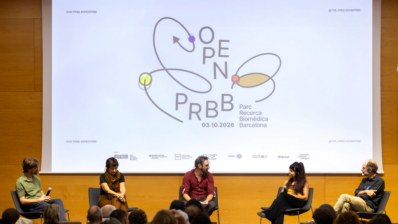
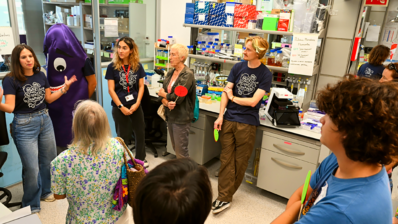
OpenPRBB continued to be the Park’s great science celebration. On October 4, 2025, more than 1,000 people visited the PRBB to explore laboratories, attend workshops and learn directly from researchers. The event also strengthened its commitment to inclusion, with adapted routes for visitors with disabilities and activities on perception differences offered by the BeyondAbility group. More than 230 volunteers from across the PRBB’s different professional profiles made the event possible.
For a detailed overview of the PRBB’s activities in 2025, including full statistics, governance updates and sustainability actions, you can consult the complete report here.