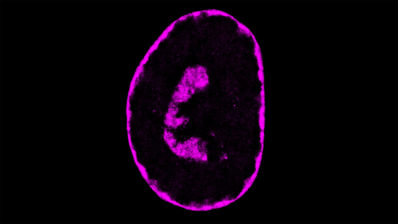
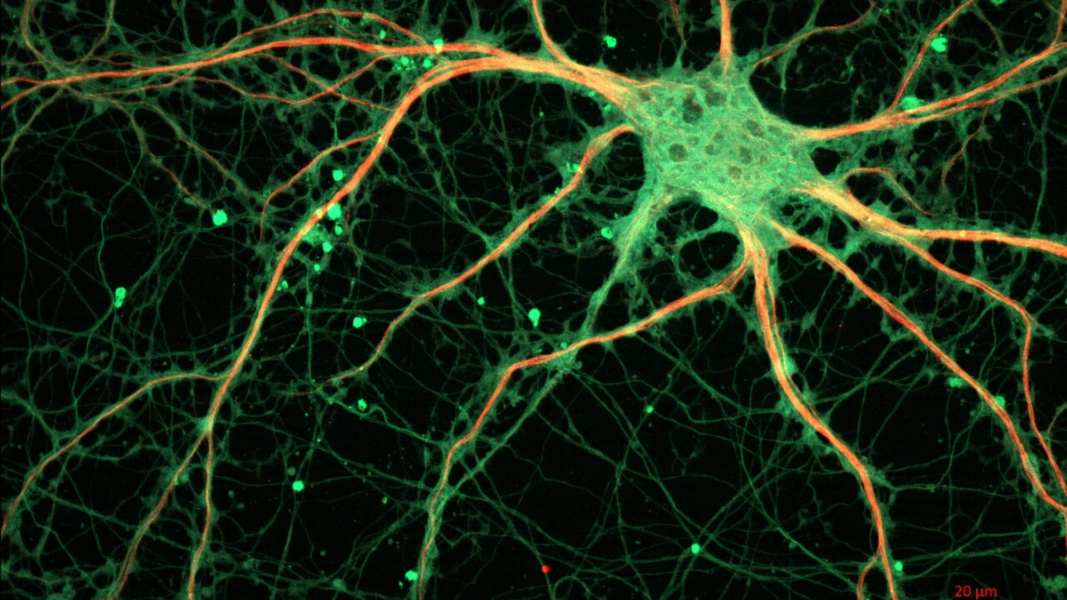
A closer look at neuronal connections reveals changes in RNA processing in fragile X syndrome
A MELIS-UPF study identifies alterations in RNA processing in a mouse model and shows that some of these changes can be reversed by blocking the cannabinoid receptor CB1.

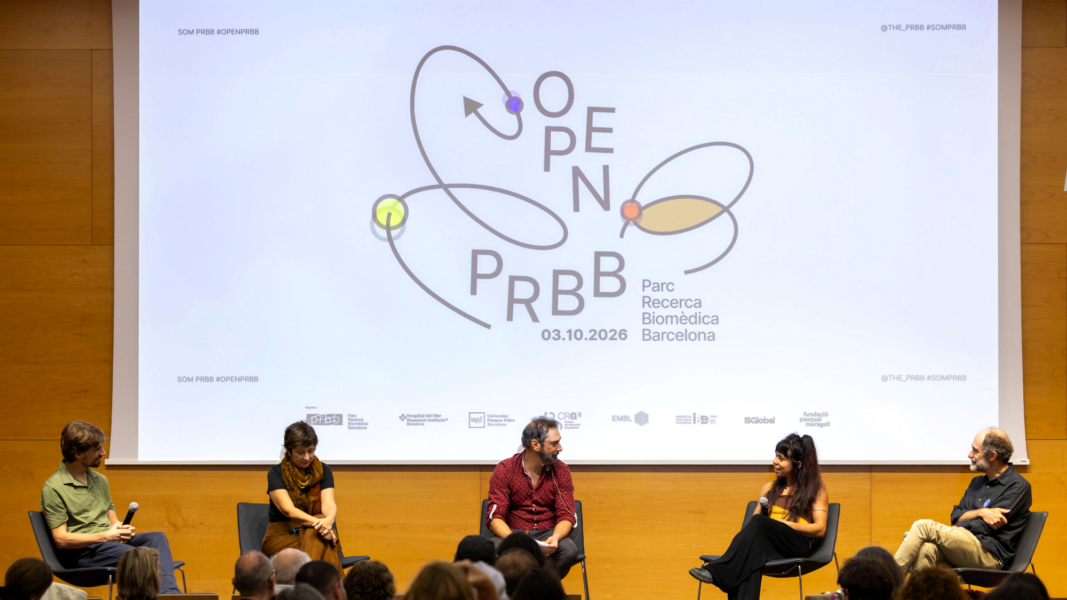
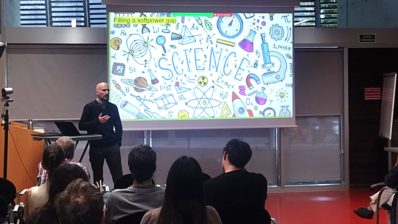
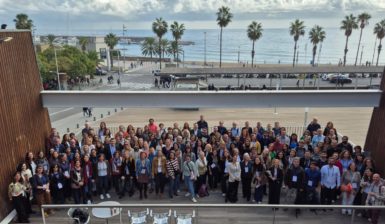
OpenPRBB 2026: a morning of science and rain!
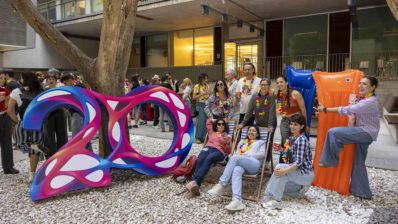
The 19th edition of OpenPRBB welcomed nearly 800 visitors to the Park’s laboratories and involved 230 volunteers who, despite the rain, brought science to the public.
PRBB MARS opens one of Spain’s most advanced aquatic animal units
The renovation introduces automated systems, redundant equipment and new spaces to improve animal welfare, biosecurity and research quality.
OpenPRBB 2026: step inside the laboratories and experience science up close
On Saturday 3 October, OpenPRBB will once again open its doors to the public.