To talk about addiction is to talk about motivation and reward. The limbic system and cortical areas of the brain control these mechanisms in our body. They form a brain circuit that drives us to act in order to survive as a species. The actions that the brain commands us to do result in our own benefit or pleasure. We tend to like and enjoy all the things that allow us to survive. The clearest example is sex, the biological purpose of which is reproduction. However, eating, drinking and being in contact with friends and family are also actions promoted by motivation and reward.
What allows us to survive as a species gives us pleasure. We seek out these behaviours because we like them.
Hands up! This is a hold up… of your brain
All drugs of abuse, both legal and illegal, act on this circuit and hijack its function. That is, they block the reward of the actions that make us survive. From that moment on, these actions become secondary. The only reward comes from taking the drug and, therefore, the only motivation is getting the drug.
Once that circuit has been “hijacked”, there is no going back. The reward of the drug will always be sought, even if it is no longer used. Addiction is therefore a chronic disease, and an addict cannot stop being an addict. If they do not take the drug, they will be in withdrawal, but they will still want it. Leo McGarry, chief of staff in the TV series The West Wing, explains this when he talks about his alcoholism after years of abstinence.
Fortunately, taking a drug once does not always become an addiction; the motivation and reward system is not so easy to hijack. So, drinking a glass of wine, smoking a joint or taking any other kind of substance is not going to make the user become an addict at once. However, they do contribute, right from the start, to modifying the system.
The risk factors of addiction
There is no magic formula that tells us how many times a person has to take a particular drug to become addicted. On the contrary, the number and diversity of influencing factors are such that it would be impossible to predict. However, research in the field has identified several key factors of vulnerability to addiction.
To begin with, there is a clear genetic predisposition. This means that there are people who, because of their genetic information, become addicted more easily than others, even if they consume less. In other words, in their case, the control of the motivation-reward system is more prone to decompensation. However, the mechanism by which this happens is not yet clear. So far, addiction has been linked to the presence or absence of some specific genetic variants, but it has not been possible to determine exactly why.
On the other hand, the motivation-reward system can also be decompensated by the social situation in which the person lives. In this case, there is no specific circumstance that triggers addiction either. However, as in the previous case, some have been detected that favour addiction. The first is constant exposure to situations of substance abuse, physical abuse or stress, especially at an early age. The second is the feeling of social isolation. People who feel they have little or no support or interaction with family or friends – the kind of social contact that rewards the limbic system – are more likely to fall into this category. This category would also include the social pressure some teenagers feel to consume drugs in order to feel integrated into their circle of friends.
In search of effective treatments
At the moment there are mainly two methods of treating addiction, depending on the drug and the degree of addiction.
The first one is a substitution treatment, which consists of giving the person a less destructive drug in a controlled and healthier environment. This is the case with methadone as a substitute for heroin or nicotine patches for cigarettes.
The second is abstinence, the complete cessation of use, which is recommended for alcohol, for example. In this case, participation in support groups where there is social interaction often acts as a substitute treatment, as this socialisation provides the much-needed reward.
18-20% of people who use drugs become addicted
But there are some drugs for which there is no substitution treatment and where abstinence is very difficult to achieve. Understanding how these drugs act at the neuronal level may help to design new treatments.
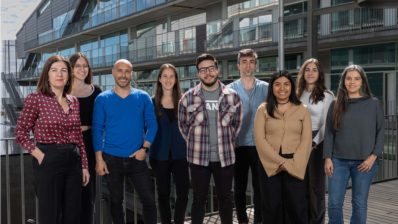
One of them is cocaine. The Neurobiology of Behaviour research group (GReNeC) at MELIS-UPF is studying precisely how cocaine affects the limbic system. Through research with mice, the team is looking at which neurobiological mechanisms are affected when cocaine is consumed and which proteins interact with the drug. In this way, they can convert them into therapeutic targets and find substitute treatments to treat addiction.
Drugs within society
Some drugs are more socially accepted than others. Some have been with us since the beginning of time, while others have only recently arrived. However, they all wreak havoc to a greater or lesser extent.
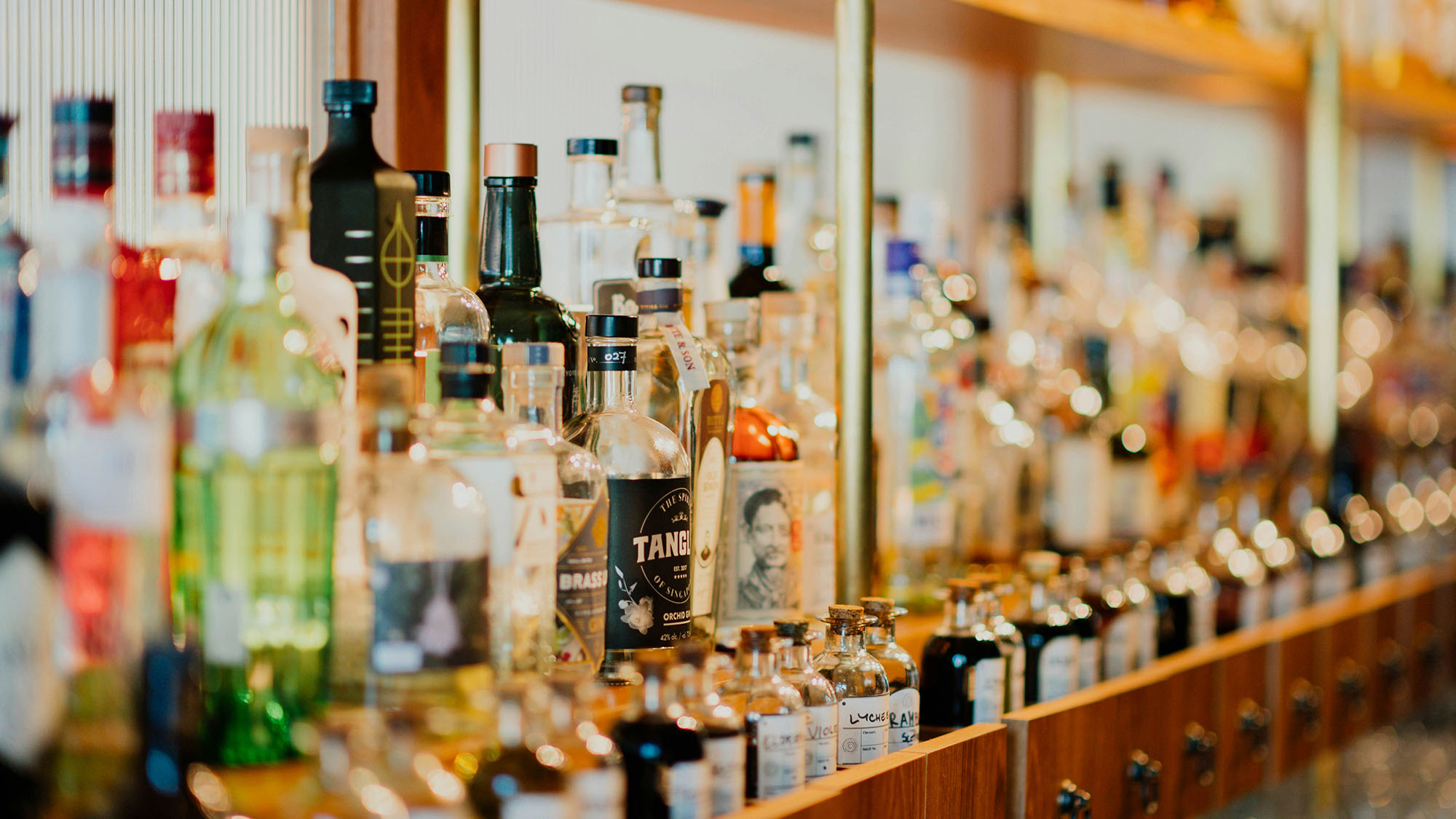
Alcohol is the most socially accepted drug along with tobacco. Some even consider it not to be a drug at all. However, it causes more social and individual harm combined than heroin and cocaine. It is true that alcohol is consumed much more than the other two and therefore, by ubiquity alone, is more likely to cause more overall harm, even if only in a small proportion to the number of users. Nevertheless, the numbers give food for thought. In the document published by the Spanish Observatory on Drugs and Addictions (OEDA) on the prevalence of drug use in Spain, 93.2% of the people surveyed answered that they had tried alcohol at least once in their life. In contrast, only 11.7% had tried cocaine and 0.6% had tried heroin.
We must forget the issue of soft and hard drugs, because all drugs are drugs and all drugs can be addictive.
Olga Valverde, GReNeC-Bio
According to the same document, 40.9% of people had tried cannabis. The data are in line with the rest of Europe, where it is the most widely consumed illicit drug and the most socially accepted. More than 10% of the population consumes cannabis regularly in Spain.
The data can be worrying because, although it is thought to be a harmless drug, it can be very dangerous in recreational settings where dosage and quality are not controlled. It is particularly dangerous for young people, who are the main consumers. It has been found to be the trigger for disorders such as psychosis or schizophrenia in adolescents, when the brain is not yet fully developed.
However, the impact of some of the active ingredients of cannabis in therapeutic use should also be taken into account. Cannabis has been shown to work as an anti-emetic, i.e. to prevent vomiting, in patients with childhood epilepsy or to relieve muscle stiffness in patients with multiple sclerosis. In this case, it must be taken under the supervision of a specialist. Access to medical cannabis is, in 2025, very restrictive, but work is being done to ensure that it reaches those who need it in a safe way.
There is still much to learn about addiction and how to combat it. However, it is clear that it is not a minor problem and that both the acceptance of some drugs and their stigma can complicate the fight against them. The GReNec-Bio group is working to help us understand the neurobiological mechanisms that control it and thus find more effective treatments to control it. However, avoiding substance use is the best way to stay clear of addiction.