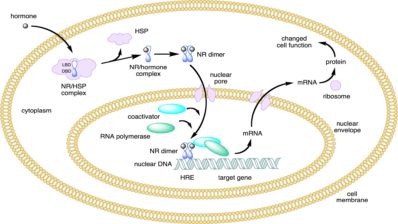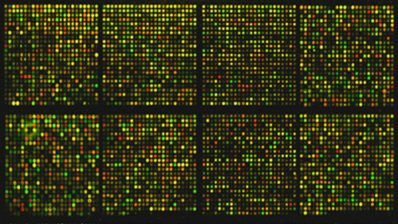
Biological research is nowadays done at large scale. It is still necessary to do specific experiments in order to understand how a protein works or what happens to a specific cell or tissue in a given moment. But at the cutting edge, many experiments are done not only with one gene or protein, but with thousands of them. This is possible thanks to the techniques known with the suffix “omics”.
Genomics, the study of thousands of genes at a time, and proteomics, the determination of all the proteins in a cell, are already common techniques in many laboratories. But they are not the only ones. We see more and more appearances of transcriptomics (the analysis of all the genes expressed at a given time), metabolomics (the large scale study of the metabolism of an organism, analysing all the metabolic pathways at the same time), pharmacogenomics (the quantitative study of how the genetic background of an individual affects his or her response to drugs) or physiomics (the dynamics of physiology in the whole organism).
Are we ready for the avalanche of information that we will obtain from these disciplines? This is one of the reasons that make bioinformatics more and more needed in biomedical research, which, in turn, is also becoming increasingly multidisciplinary.
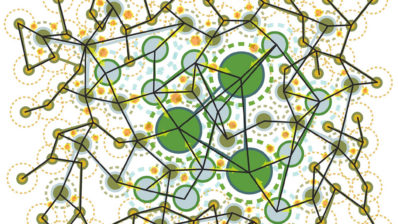
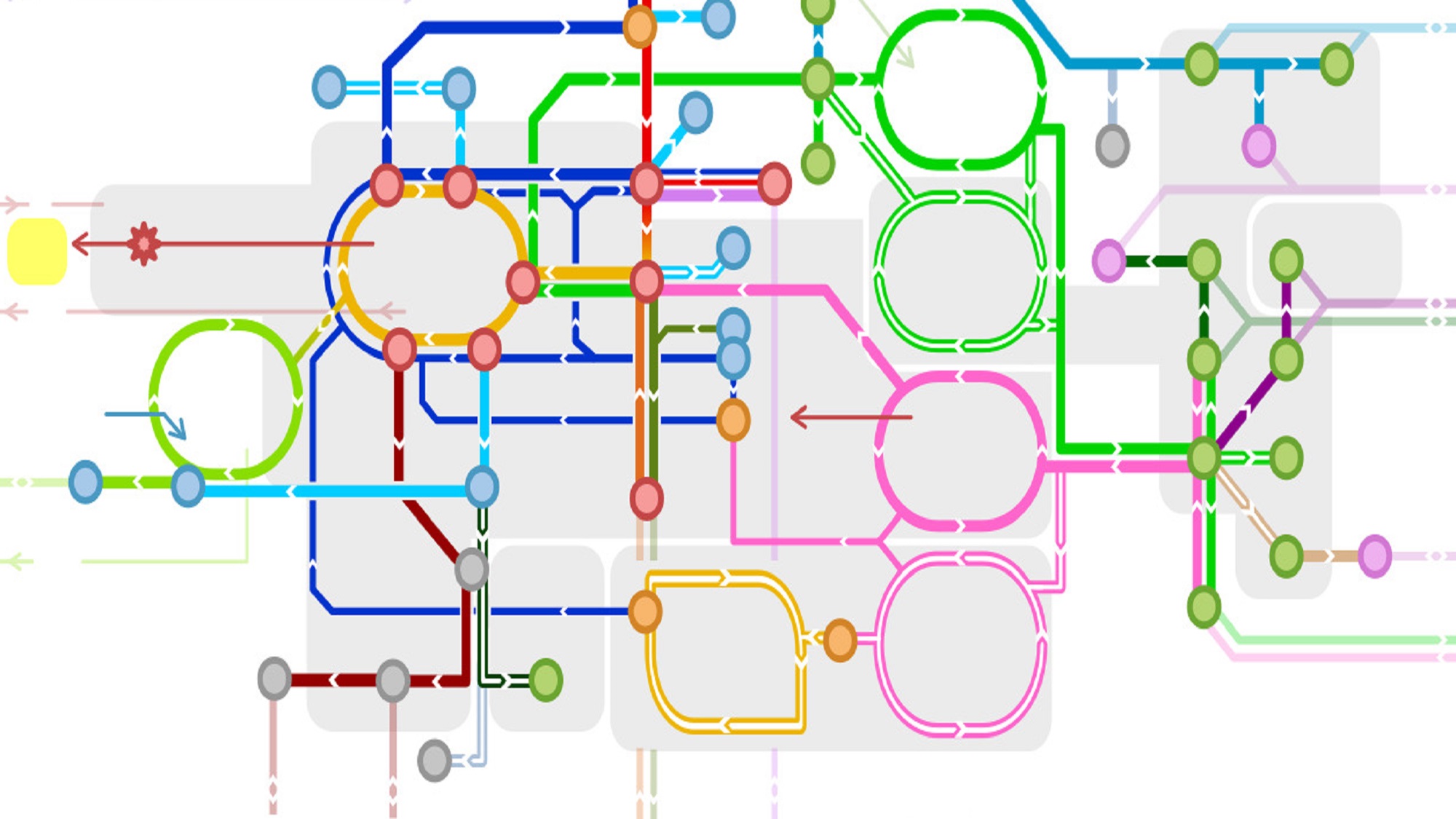
In order to get a global understanding of how an organism works, we do need a whole set of disciplines. Systems biology is an important field within biomedicine that aims to integrate all these data (the thousands of genes, transcripts, proteins and metabolites) in order to finally comprehend how we are and how we function.
“Omics” at the PRBB
At the PRBB, this change of scale is not an abstract idea. Several technological platforms at its centres help research teams generate omics data and study DNA, RNA, and proteins at scale. In the field of genomics, the CRG Genomics Unit offers next-generation sequencing services for multiple DNA and RNA applications, while the UPF Genomics Core Facility provides methods for DNA and RNA analysis, including sequencing, PCR, quality control and bioinformatics support. In proteomics, the CRG/UPF Proteomics Unit supports biomedical research with protein analysis services and advanced mass spectrometry technologies. These infrastructures show how “omics” have moved from being a technological promise to a common tool for better understanding how cells, tissues and organisms work.