Two of the Barcelona Biomedical Research Park (PRBB) institutions – EMBL Barcelona and MELIS-UPF – have partnered with the Barcelona Zoo Foundation and the Barcelona Museum of Natural Sciences to create the Barcelona CryoZoo – a project that started four years ago to preserve and better understand the planet’s biodiversity.
The CryoZoo stores cell lines of endangered species to ensure their long-term survival, as well as to support biodiversity research.
Currently, the project has received over 2,000 samples from 304 species, arriving from European zoos and from specimens at the Natural Science Museum. “Depending on the species and availability, we have received samples from skin, trachea, eye, or internal organs in the case of deceased animals, as well as some blood samples”, explains Cira Martínez, researcher at the European Molecular Biology Laboratory – Barcelona (EMBL Barcelona) and Coordinator of CryoZoo.
Integrating biotechnology into conservation practices
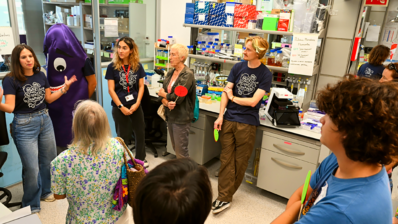
The veterinarians from the collaborating zoos and wildlife centers are responsible for collecting the samples from the animals and sending them to the PRBB for processing and preservation. There, the CryoZoo team – including researchers from both MELIS-UPF and EMBL – jumps into action.
Once the samples arrive, they process them with the goal of generating primary cell lines, typically fibroblasts, although this is sometimes tricky. “The generation of cell lines from certain species (especially amphibians) can itself be considered a research project, as there are still many species for which stable cell lines have never been successfully established”, says Martínez.
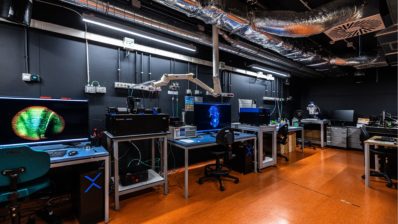
These lines then undergo full molecular characterization, like whole-genome sequencing – including species that have never been sequenced before – and karyotyping. At the same time, the researchers prepare cell stocks and cryopreserve them in liquid nitrogen at the cryogenic facility at the PRBB, for long-term storage.
The Cryozoo is part of the Org.One project, which focuses on sequencing endangered species for which no genomic data exists or for which existing data is incomplete.
“While we still have living representatives of these highly endangered species, we must act to preserve their biodiversity”, says about the aim of this initiative Tomàs Marquès-Bonet, researcher at the Institute for Evolutionary Biology (IBE: CSIC-UPF) and the Department of Medicine and Life Sciences (MELIS-UPF) and Director of CryoZoo.
To date, CryoZoo has preserved more than 350 cell lines, 37 karyotypes, and genome sequences from 163 species. These molecular data – as well as all the genetic material generated and stored in the CryoZoo biobank – form a repository accessible to the global scientific community (upon approval from CryoZoo’s scientific and ethics committee, to ensure the scientific quality and ethical use of the material). Indeed, they have already approved several requests from researchers seeking access to the CryoZoo genetic material.
Investing in iPSCs
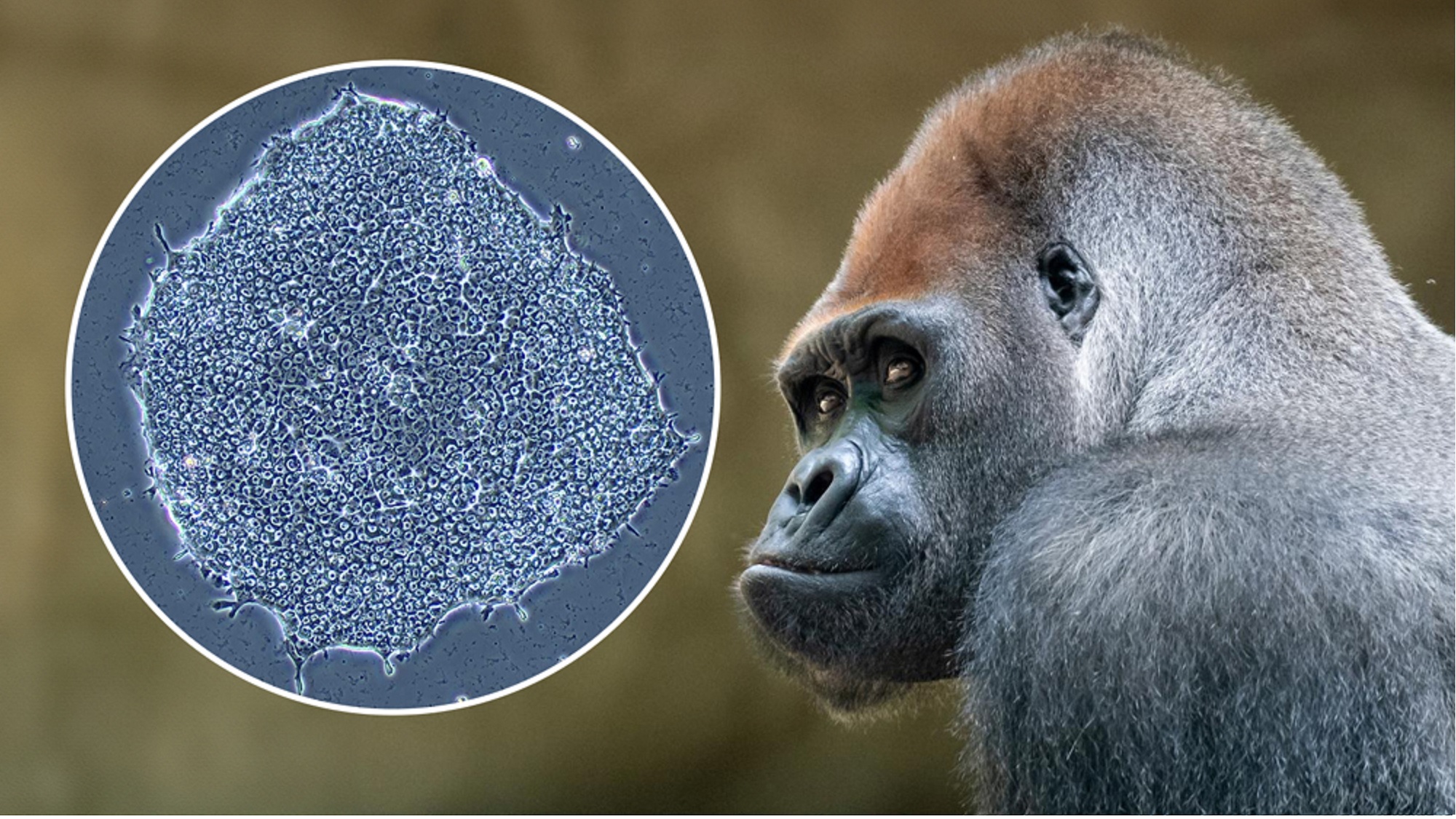
The project has now received a grant from the wildlife conservation organisation Revive & Restore – only one of three grants awarded worldwide in this area – to derive induced pluripotent stem cells (iPSCs) from wild animal species.
“Induced pluripotent stem cells, along with primary cell lines, are powerful tools because they allow us to create in vitro models of different tissues and biological processes. This means we can study endangered species at the cellular and molecular level without needing to experiment on live animals, which directly supports animal welfare, a critical aspect when working with rare or threatened species”, explains Martínez.
Generating iPSCs from endangered species would enable to study them in vitro without using live animals.
The generation of iPSCs from non-model or unconventional species is a difficult research challenge, she adds, due to the technical complexity and the biological understanding required to achieve successful reprogramming. But it is worth it. “iPSCs preserve not only the genetic information but also the functional potential of an individual, as they can differentiate into virtually any cell type”, she clarifies.
Combined with primary cell lines, these iPSCs are living, expandable genetic resources that go far beyond static DNA storage. They represent future potential for assisted reproduction, including the generation of gametes in vitro; they are powerful tools for disease modeling, toxicity testing, and conservation medicine in a species-specific context; and they represent a platform for comparative evolutionary studies, especially among vertebrates.
“By establishing both primary cell lines and iPSCs from a wide range of species, we not only safeguard their genetic legacy but also create the scientific foundation to better understand, protect, and possibly restore them in the future”
Cira Martínez, researcher at EMBL Barcelona and Coordinator of CryoZoo.
While there are other biobanks storing animal cell lines in Europe and around the world, the CryoZoo is the only one that performs comprehensive molecular characterization of the generated cell lines, and one of the very few that also produces iPSCs, in addition to primary cell lines. This makes CryoZoo unique in its integrative approach, combining sample preservation with deep molecular profiling and advanced cell reprogramming techniques, adding significant value to the existing conservation landscape.