
A joint project between the Hospital del Mar Research Institute, the Centre for Genomic Regulation (CRG) and IrsiCaixa has been selected as a semi-finalist in the XPRIZE Healthspan competition, organised by the XPRIZE Foundation in the United States. The aim of this competition, which will run for 7 years and has a total budget of 101 million dollars, is to find an approach that reduces the risk of age-related chronic diseases and increases human health and quality of life in the context of an increasingly long-lived society.
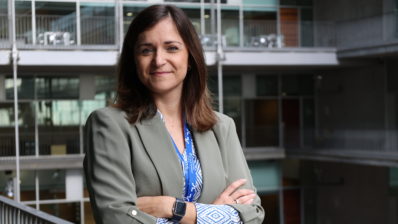
“It is not so much a question of extending people’s lives (which can be indirectly achieved with the proposal we are making), but rather of improving the quality of life in ageing,” explains Rafael de la Torre from HMRI and principal investigator of the project. “And that is why we want to stimulate holistic research that seeks to slow down muscular, cognitive and immune system ageing”, adds Mara Dierssen. The CRG researcher found out about the competition while participating in a scientific meeting on healthy ageing, and immediately contacted de la Torre, with whom she collaborates on a regular basis. Bonaventura Clotet, head of IrsiCaixa, joined the initiative. This led to the beginning of the VITA project (Vitality through Integrative Therapeutics for Aging), a collaboration between the three institutions.
Drugs and lifestyle changes: a winning combination
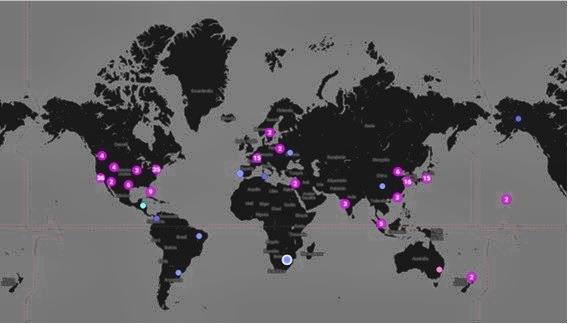
Only forty of the more than 200 projects submitted from all over the world have made it to the semi-final; 4 are European and VITA is the only one in Spain.
Their approach is based on a combination of pharmacological therapy and multimodal lifestyle intervention.
The drug therapy consists of two drugs: lamivudine, a reverse transcriptase inhibitor (NRTI), and epigallocatechin gallate (EGCG), a molecule found in green tea. ‘We know that lamivudine reduces DNA damage and neuroinflammation, and we have already shown that it has beneficial effects on cognition in models of Down’s syndrome, as well as in a model of premature ageing,’ says Dierssen. EGCG acts as an antioxidant and epigenetic modulator, decreasing oxidative stress and preventing the aggregation of toxic proteins such as tau and beta-amyloid, and has also been shown to improve cognition in various groups. “Their combination allows a synergistic intervention, generating a more significant neuroprotective effect than the two compounds could achieve separately. Both reduce inflammatory and degenerative pathways, but from different entry points,” Dierssen summarises. According to the researcher, the results being obtained with the two compounds individually are very encouraging, but preclinical studies are needed to study this synergy.
The multimodal intervention, on the other hand, consists of introducing changes in diet, physical and intellectual activity in a structured way, so that people acquire healthy lifestyle habits. “It is similar to what we have done in the PENSA project, where we have tried to slow down cognitive deterioration in stages prior to the onset of dementia,” explains de la Torre.
Now, the team has been awarded $250,000 to demonstrate, within a year, the feasibility of their proposal to extend people’s healthy lifespan. “We need to generate additional preliminary data to support our approach and propose a design for a clinical trial. If successful, the same XPRIZE foundation will fund a study to establish definitively what the time expectancy of our proposal is in terms of improving quality of life in ageing,” explains de la Torre.
If it works, the researchers hope it could become an approach to prevent the pathological deterioration associated with ageing.