
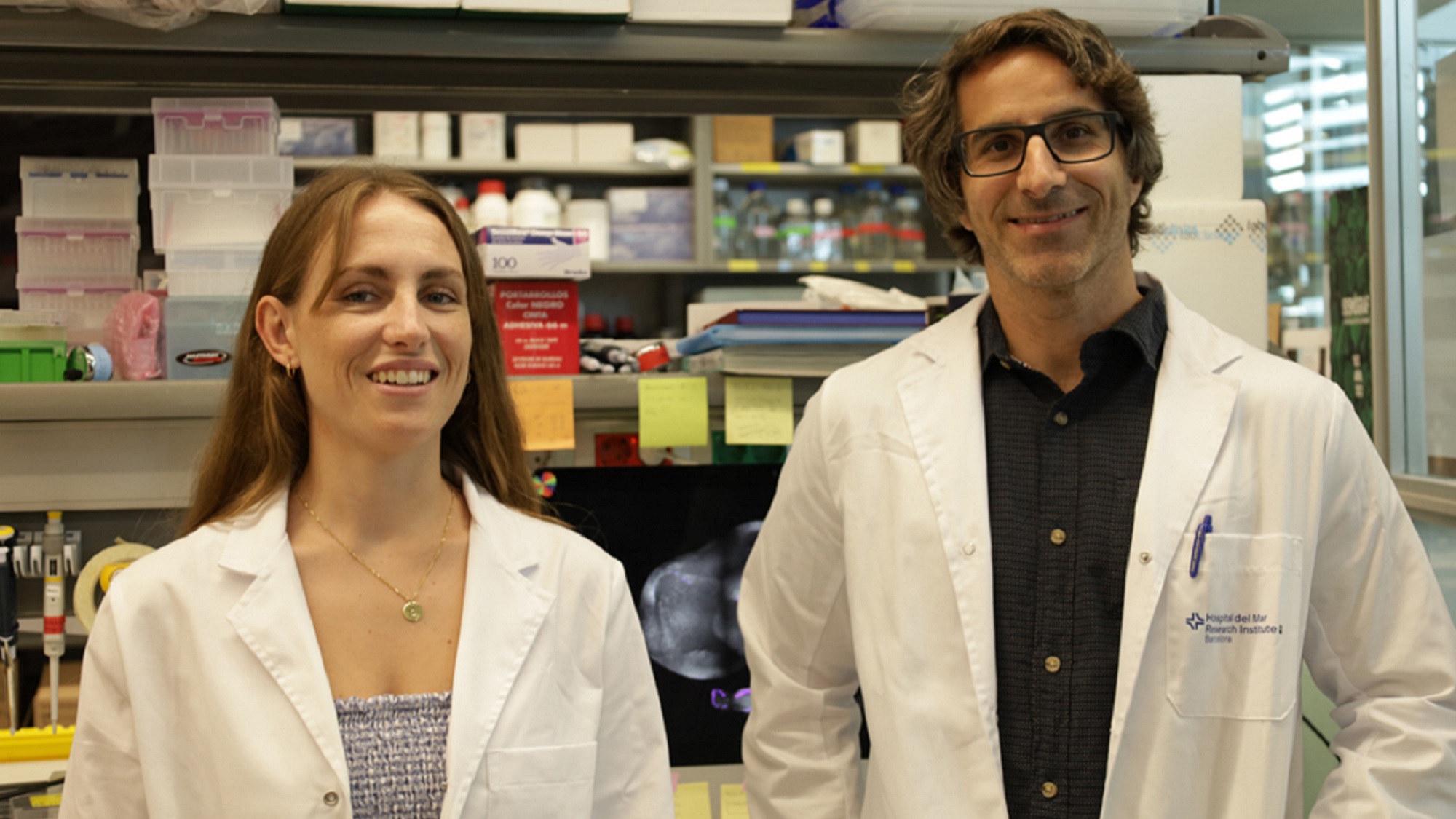
Stopping metastasis before it begins. This is the ultimate goal in the fight against cancer, with metastasis being the cause of more than 90% of cancer deaths. A new study led by the Hospital del Mar Research Institute has now identified a potential key to achieving this.
Researchers led by Toni Celià-Terrassa at HMRI, have identified the role played by the TIM-3 protein in the most aggressive metastasis-initiating cells, the “seeds” of metastasis. These are the cells that leave the primary tumor to expand to other organs. The moment of settling in their new territory, when there are still very few cells, is the most critical; that is why attacking cells at this time would be a great therapeutic opportunity.
Using a mouse model, the scientists have shown that TIM-3 allows tumour cells to suppress the immune system when they reach distant organs thus ensure their survival. The study has been carried out with cells of breast cancer with metastasis to the liver.
The results of the study with mice seem compatible with what they have found in samples from a cohort of patients at Hospital del Mar. “Those who had tumors with high levels of TIM-3 had a higher risk of metastasis and poor prognosis,” says Catalina Rozalén, predoctoral researcher and first author of the article.
There are already drugs that block the action of TIM-3, and could potentially be used in high-risk patients (with high levels of TIM-3), to prevent the appearance of new tumours. But “there is still a lot of research to be done in clinical trials with the appropriate design to get to this point,” emphasizes Joan Albanell, also author of the study.
Rozalén et al., TIM3+ breast cancer cells license immune evasion during micrometastasis outbreak, Cancer Cell (2025), https://doi.org/10.1016/j.ccell.2025.06.015