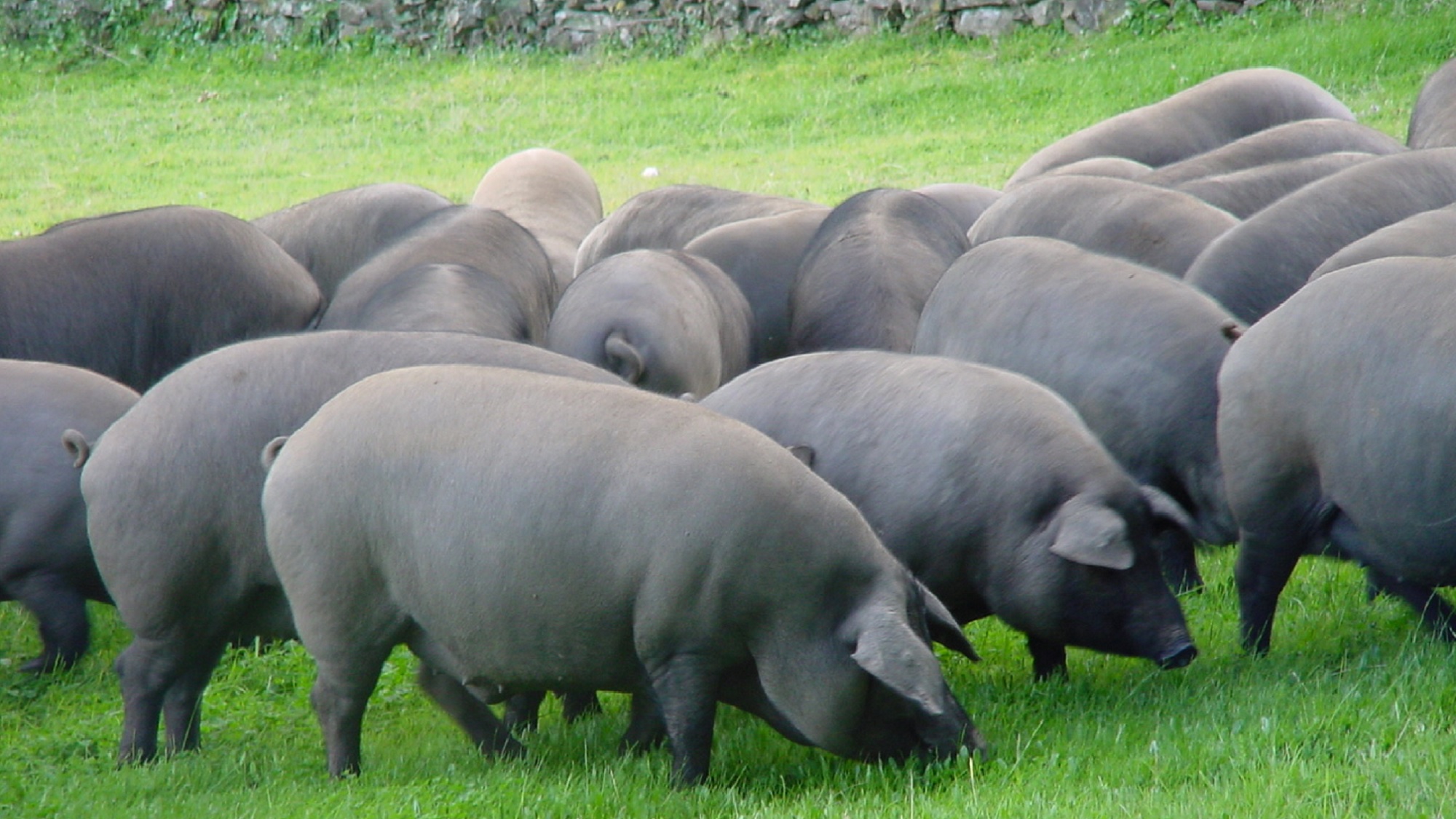
Next December 15, 2025, will see the launch of the ASF-RESIST project, which aims to identify the biological factors that allow some wild African suid species to be resistant to African swine fever (ASF), while domestic pigs succumb to the disease in a matter of days.
The European initiative brings together leading groups in animal health, immunology, genomics and virology. The research group led by Cedric Notredame at the Center for Genomic Regulation (CRG) will contribute with their experience in high-throughput bioinformatics and comparative genomics. The project will help shed light on one of the most urgent threats to animal health globally, which has caused in recent decades huge economic losses.
In China, the 2018–2019 epidemic caused the loss of about 300 million pigs, at a cost of more than $1 billion. Europe has faced repeated outbreaks since the virus returned to the continent in 2007, and the threat remains persistent, as evidenced by the recent detection of African swine fever cases near Barcelona.
“Understanding why some wild suids can carry the virus without getting sick is essential if we want to prevent future outbreaks, protect local biodiversity and safeguard livestock farming”
Cedric Notredame, CRG researcher.
Studying pigs without using pigs
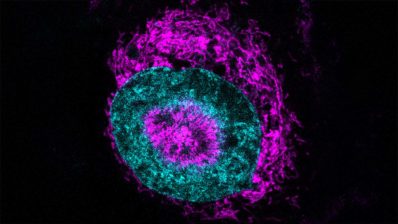
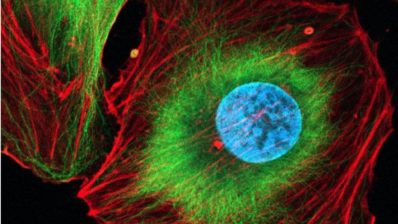
The consortium has generated induced pluripotent stem cells from both domestic pigs and wild African suids. In the laboratory, these stem cells will be transformed into macrophages, the cells infected by the virus that causes ASF.
These macrophages will be exposed to the ASF virus, to see how effectively they detect infection, measure which immune genes are activated and to what degree and identify the genetic factors that block or favor viral replication, identifying which ones can stop the virus. The Notredame group will use computational tools to analyze the large volume of RNA sequencing data that will be generated.
The findings of this project could reveal new antiviral pathways, help identify genetic markers to breed more resistant pigs, and inform future strategies to protect herds from ASF.