What is complexity? We all have some basic intuition on what is simple. A crystal is simple, a gas inside a bottle is simple.
But what about complex? There is no general definition for what a complex system is, but some consensus exists concerning two basic common features.
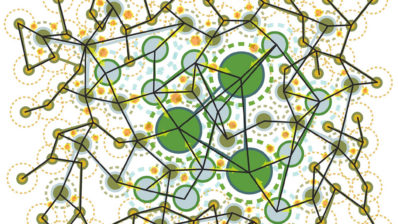
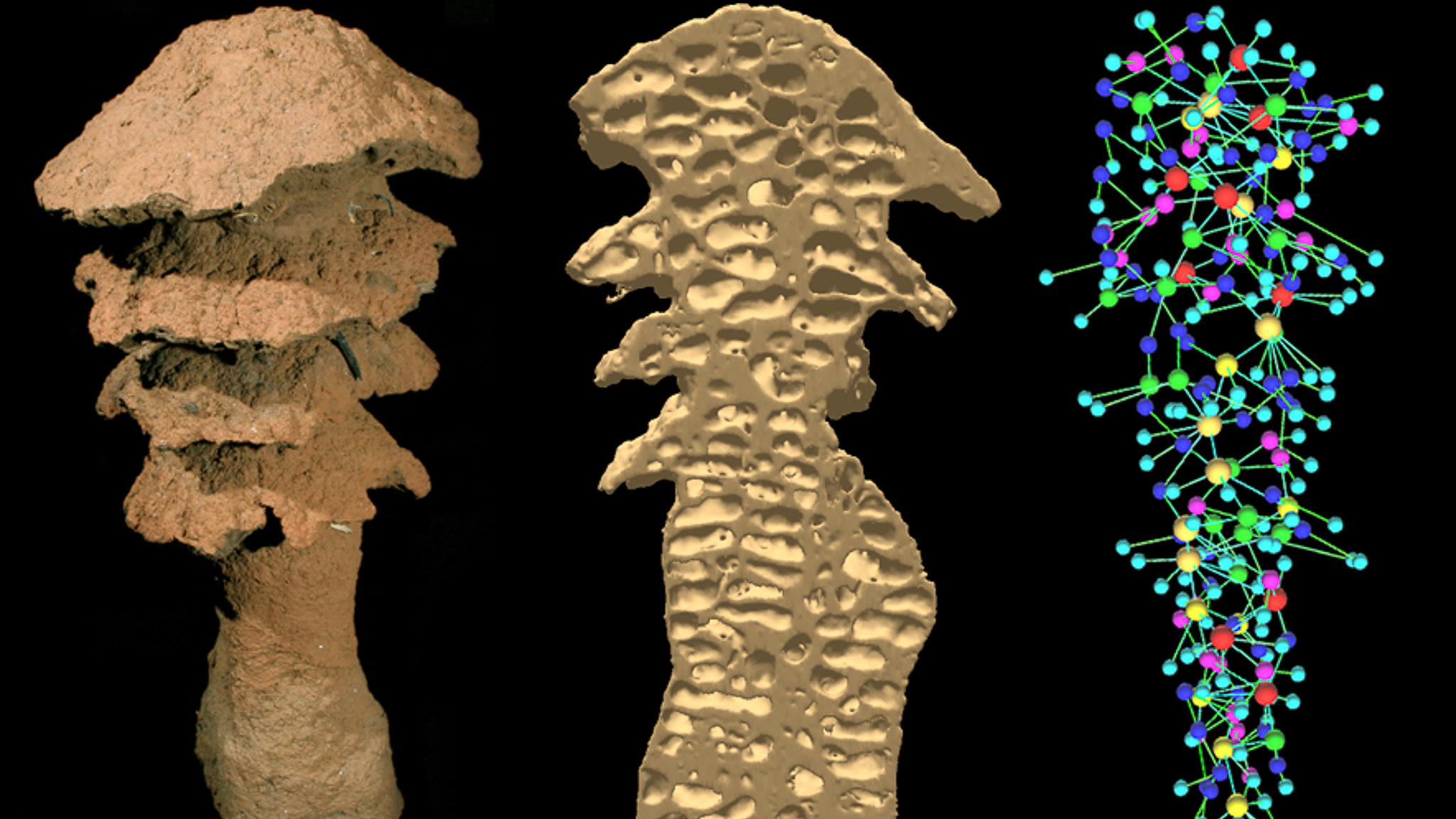
The first is that a complex system is formed by many parts in interaction: proteins or genes within a cell, neurons within the brain or ants inside the nest.
The second, and most important, is that some patterns displayed at the global level cannot be explained by (or “reduced to “) the properties of the individual units. As an example, memories cannot be explained in terms of the activity of single neurons. Or the complex nests built by ants cannot be understood by looking at a single ant. It is the collective intelligence, resulting from the interactions among many ants, what creates the nest and makes the colony to behave as a superorganism. In the language of complex systems, it is said that memory or the colony behaviour “emerge” from individual interactions.
In our search for an integrative picture of biology and a full understanding of disease, we need to consider multiple scales and open our minds to emergent patterns. From cells to humans, every level is important, but moving from one to the next will always involve something new that cannot be captured by the lower-scale. This is an important message to carry out in our everyday experience as scientists and the only way to find the right answers to our complex questions.