A recent study coming out of the project ALFASleep, led by the Barcelona Brain Research Center (BBRC), a research centre of the Pasqual Maragall Foundation, has shown that poor-quality and more fragmented sleep is associated with structural changes in brain areas vulnerable to Alzheimer’s – even in people without cognitive impairment and regardless of the presence of classic Alzheimer’s biomarkers. The research provides new evidence on how sleep disorders can affect brain health through pathways other than the known alterations of the pathology.
The study indicates that monitoring and improving rest patterns in middle age could help protect the brain in the long term.
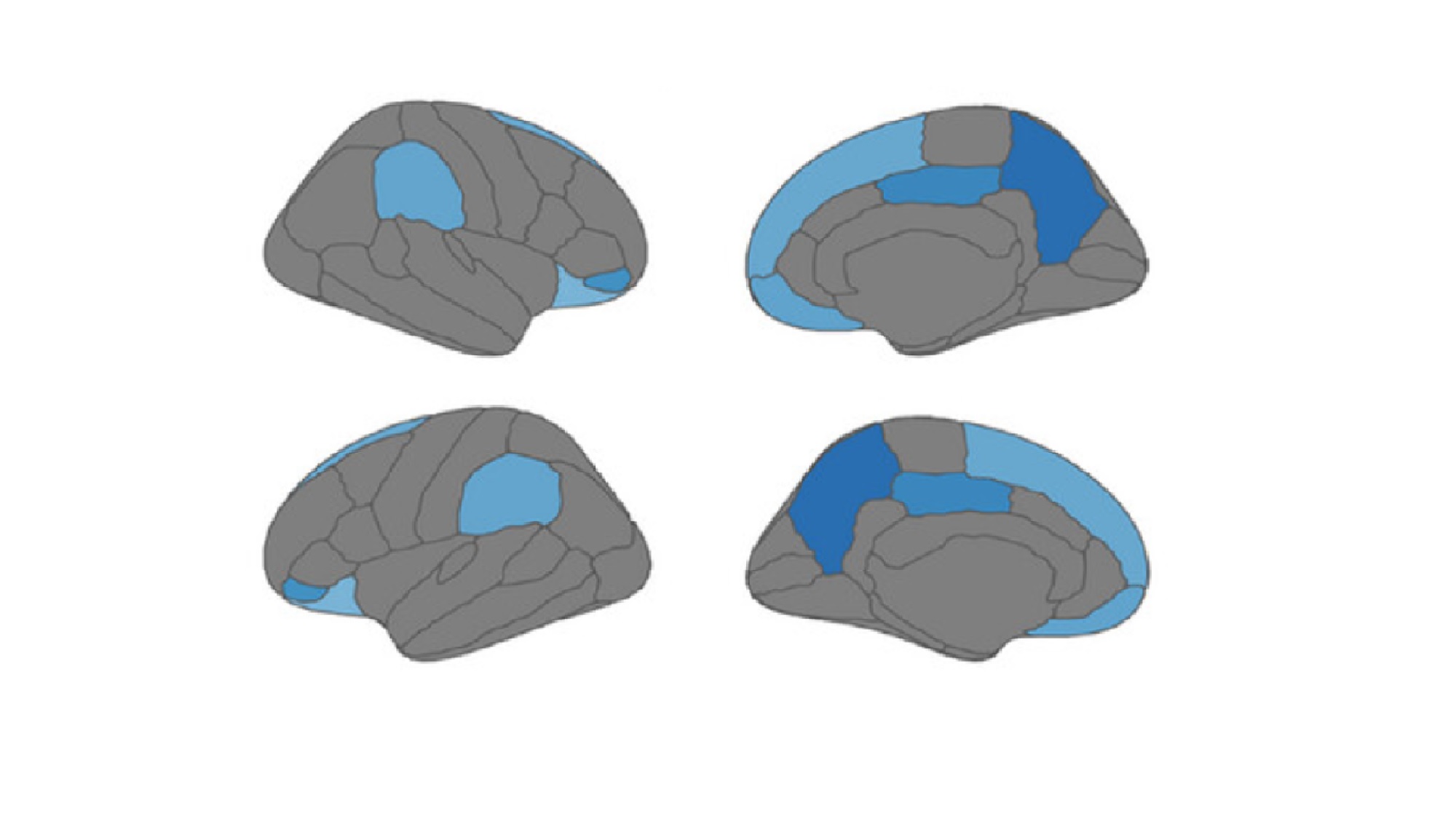
The research was carried out with 171 adults from the ALFA+ cohort, mostly at high risk of developing Alzheimer’s. Through the use of actigraphs, devices that record day-to-day sleep patterns, magnetic resonance imaging and cerebrospinal fluid analysis, the scientific team identified that worse sleep efficiency and greater sleep fragmentation were associated with lower cortical thickness in the medial temporal lobe and other regions sensitive to the disease. One of the most relevant results is that these effects were more marked in women, who, despite sleeping longer on average, showed a stronger relationship between interrupted sleep and brain alterations.
These findings reinforce the importance of considering sleep quality as a modifiable risk factor for cognitive impairment, as well as underlining the need to carry out research differentiating by sex, in order to avoid possible biases.
Stankeviciute L, Tort-Colet N, Fernández-Arcos A, Sánchez-Benavides G, Minguillón C, Fauria K, Holst SC, Garcés P, Mueggler T, Zetterberg H, Blennow K, Iranzo Á, Suárez-Calvet M, Gispert JD, Molinuevo JL, Grau-Rivera O; ALFA Study. Associations between objective sleep metrics and brain structure in cognitively unimpaired adults: interactions with sex and Alzheimer’s biomarkers. Alzheimers Dement. 2025 Jun;21(6):e70353. doi: 10.1002/alz.70353. PMID: 40566790; PMCID: PMC12198473.