A recent study has quantified, for the first time, the health damage caused by the environmental impacts of food consumption.
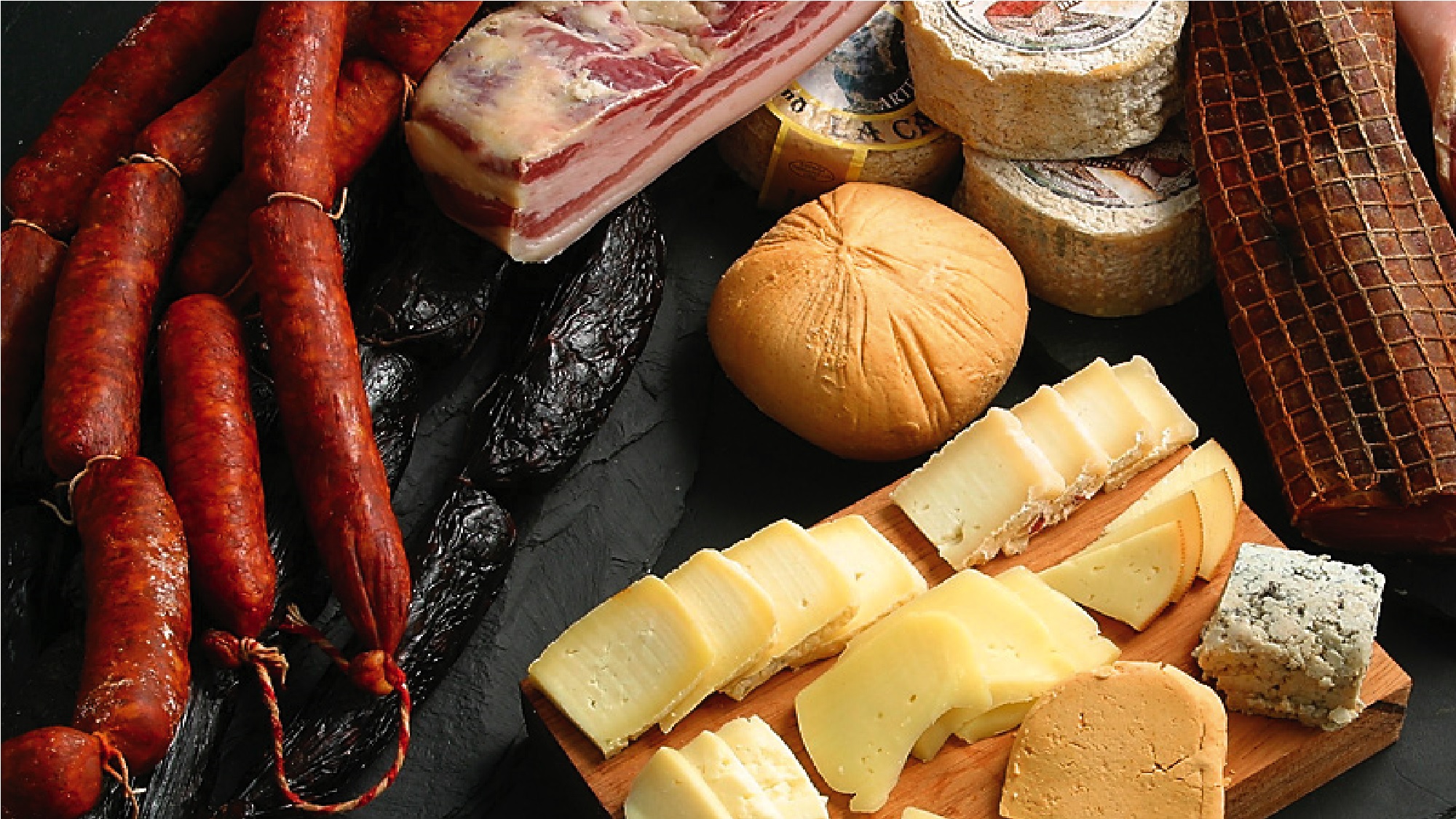
Using 2022 data from Spain, and the Life Cycle Assessment (LCA) methodology to quantify the different environmental impacts of our diet (from production to consumer) and how they affect human health, researchers found that the demand for meat, fish, seafood, and dairy is responsible for 55% of the total environmental damage linked to human health.
The annual environmental impact of the food demand in Spain is equivalent to over 400,000 years of healthy life lost.
In 2022 alone, Spain’s food demand was associated with the loss of 447,152 disability-adjusted life years (DALYs) – a widely used public health metric that combines years lost due to premature death and years lived with illness or disability. This was largely through impacts such as climate change (77%), followed by particulate matter formation, and human toxicity. The study underscores that 95% of these health impacts stem directly from consumption habits, while only 5% come from food waste.
The research also explored potential solutions, showing that shifting to plant-based diets and reducing food waste could prevent up to 35% of the overall health burden. Substituting meat and dairy with plant-based foods not only reduced environmental harm but also aligned dietary intake more closely with World Health Organization recommendations, increasing beneficial nutrients like fiber and iron while keeping protein, calcium, and vitamin B12 within healthy ranges (albeit lower).
“Moving to plant-based diets would not only reduce environmental impact but also be a more comprehensively healthy diet”
Ujué Fresán, ISGlobal researcher and lead author of the study.
Beyond individual health gains, the study provides a strong foundation for future food policies that could encourage healthier, more sustainable diets while simultaneously reducing the environmental and public health toll of current consumption patterns.
Fresán, U., Núñez, M., Valls, I., Rosenbaum, RK. Quantifying the Environmental Human Health Burden of Food Demand in Spain: A Life Cycle Assessment Study. Environmental Research, 2025. Doi: 10.1016/j.envres.2025.122147