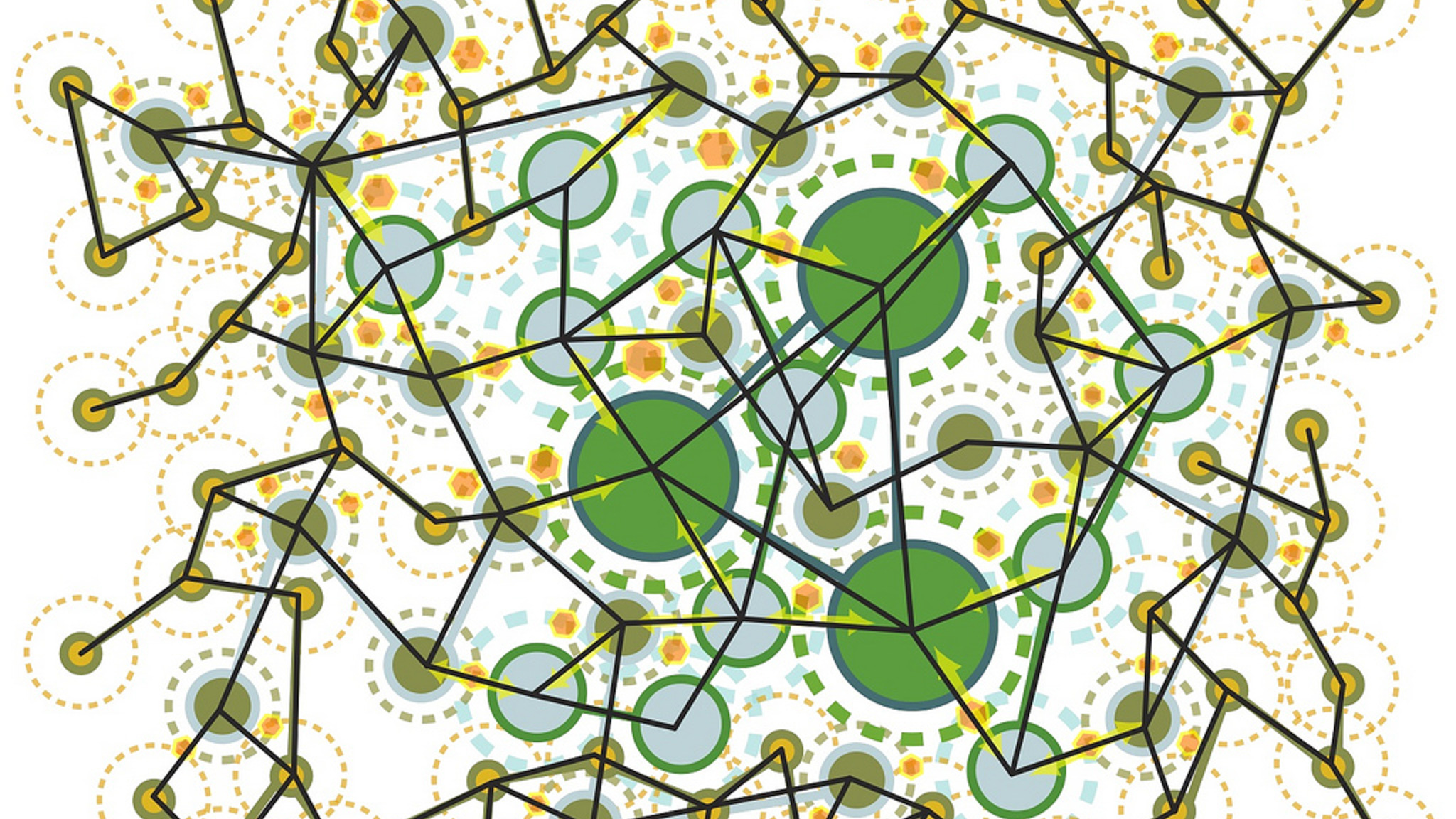
For decades, part of the biology research focused on identifying the role of individual genes. That approach transformed science, but it also had limits. Cells do not function as a sum of separate parts. They work as complex, dynamic systems, where genes, proteins, metabolites and signals are constantly interacting.
This is the starting point of systems biology: an approach that seeks to understand a biological process as a whole (the “system”), rather than one component (individual genes) at a time.
The idea is simple, but the implications are huge. If researchers can capture enough information about a biological system and understand how their parts interact, they can begin to describe, model and predict it.
Looking beyond individual genes
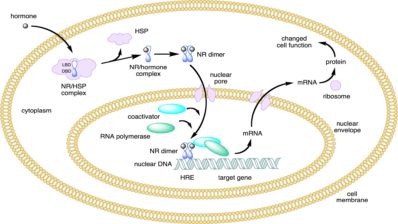
Now we know that a gene does not act alone. Their function depends on where and when it is activated, and how the rest of the cell components interact with it.
Eye colour is a useful example. Mutations or alleles of a single gene affect the eye colour, but pigment synthesis is actually the result of a multigene cascade – a chain of events involving multiple genes and cellular pathways. From such complex cellular interactions, new functions emerge that had never been foreseen.
A new way of studying life
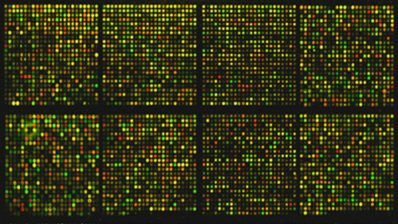
Systems biology has grown hand in hand with technological advances. Researchers can now record the events related to a specific biological process, generating unprecedented data, from genes and RNA to proteins and metabolites. This is what is called the “-omics”, including genomics, transcriptomics and proteomics.
These technologies generate large amounts of data, so the processing of this information requires more than traditional experimental biology. It also demands a new philosophy of working: interdisciplinary teams of biologists, mathematicians, engineers, statisticians and computer scientists work together.
From big data to biological models
The large amount of quantitative data has opened a new possibility in biology that was not imagined a decade ago: we can use biological data to build models. Scientists are trying to record as many relevant events as possible within a biological process and then use computation to identify the patterns and rules that govern its behaviour.
If those models are good enough, they can help researchers anticipate how a system will respond under different conditions.
That is why systems biology is often linked to the idea of predictive biology. Instead of only describing what is observed, it aims to forecast what may happen next.